

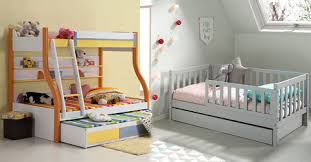
As the holiday season approaches, parents face the exciting yet daunting task of selecting gifts for their children. Among the most significant purchases parents consider is a new bed, especially as children grow and their needs change. A comfortable and appropriately sized bed is crucial for ensuring quality sleep, which directly impacts a child’s mood, health, and overall well-being. However, navigating the various options available can be overwhelming, particularly when it comes to understanding the right sizes for children’s beds.
This is where a well-structured kids bed sizes guide comes into play. Parents often turn to these guides to gain clarity on bed dimensions, which can help them make informed decisions during holiday shopping. Knowing the correct size not only streamlines the buying process but also ensures that the new bed will fit well in the child’s room and meet their growing needs.
In this blog post, we’ll explore the reasons why understanding kids’ bed sizes is essential for parents during the holiday season and how it can simplify the shopping experience.
The Importance of Choosing the Right Bed Size
Choosing the right bed size for children is crucial for several reasons. As children grow, their sleeping needs evolve, and a bed that was once suitable may no longer be adequate. A bed that is too small can lead to discomfort, restlessness, and poor sleep quality. On the other hand, a bed that is too large may take up unnecessary space in a child’s room, making it feel cramped.
A kids bed sizes guide can help parents understand various bed dimensions, including crib, twin, full, and even larger sizes. Knowing the appropriate size ensures that parents select a bed that not only fits their child’s current needs but will also accommodate their growth over time. This foresight can save parents from having to purchase multiple beds as their child matures, making it a wise investment in the long run.
Understanding Common Bed Sizes for Kids
When considering a bed for children, it’s essential to understand the common sizes available. Crib beds are typically designed for infants and toddlers, providing a safe and secure sleeping environment. As children grow, they often transition to a twin bed, which is usually 38 inches wide by 75 inches long. This size offers ample space for most children while remaining manageable for smaller rooms.
For older kids or those who may need more sleeping space, a full-size bed (54 inches wide by 75 inches long) can be a great option. This size allows for more room to move around and can accommodate sleepovers and growing teenagers. A kids bed sizes guide will provide detailed information on these dimensions and additional options, helping parents choose the best fit for their child’s needs.
Space Considerations in Kids’ Rooms
Another critical factor in choosing a bed size is the available space in a child’s room. Many parents may have limited square footage to work with, especially in shared or smaller bedrooms. Understanding the dimensions of different bed sizes can help parents maximize the use of space while ensuring their child has a comfortable sleeping area.
For instance, a twin bed may be an ideal choice for a smaller room, providing enough length for a child to grow while taking up less floor space. Alternatively, bunk beds can be a practical solution for siblings sharing a room, allowing for vertical space-saving. A kids bed sizes guide can assist parents in visualizing how different bed sizes will fit within the room’s layout, ensuring that the final choice complements the overall design and functionality of the space.
Future Growth and Longevity of the Bed
When purchasing a bed for a child, it’s essential to consider not only their current needs but also their future growth. Children can grow rapidly, and a bed that fits them well now may not be suitable in just a few years. Investing in a bed that will last through multiple growth spurts can be a financially savvy decision.
For example, a full-size bed can accommodate a growing child and serves as a practical choice for a teenager, who may need extra space for studying or relaxing. Moreover, adjustable beds or those with customizable features can adapt to a child’s changing needs over time. A kids bed sizes guide can provide insights into these options, helping parents make informed decisions that will serve their children for years to come.
Safety Considerations for Kids’ Beds
Safety is a paramount concern for parents when selecting a bed for their children. Certain bed sizes and types come with specific safety features that can prevent accidents and injuries. For younger children, cribs and toddler beds often feature railings and secure designs to keep them safe as they sleep.
As children transition to larger beds, parents should consider options like bed rails or low-profile designs that minimize the risk of falling out. Additionally, understanding the weight limits and construction quality of different bed types is important for ensuring durability and safety. A kids bed sizes guide can help parents navigate these safety considerations, making it easier to choose a bed that meets their child’s needs while ensuring peace of mind.
Budgeting for a Kid’s Bed
Budgeting is another important aspect parents must consider when shopping for a new bed. The cost of children’s beds can vary widely based on size, material, and brand. While it’s tempting to opt for the cheapest option available, investing in a quality bed can lead to better sleep and comfort for your child.
A kids bed sizes guide can help parents identify the price ranges associated with different bed sizes and types, allowing for more strategic budgeting. By understanding the market, parents can make informed choices that balance quality with affordability. Additionally, taking advantage of holiday sales and promotions can help families get the best value for their purchase, making it easier to find the right bed without breaking the bank.
FAQs
What size bed is best for a toddler?
A toddler bed or crib is ideal, typically measuring around 27 inches by 52 inches, providing a safe sleeping space for young children.
When should I transition my child to a twin bed?
Most children transition to a twin bed between the ages of 2 and 5, depending on their size and readiness.
How do I choose the right bed size for a small room?
Consider a twin bed or a lofted bed to maximize floor space while providing a comfortable sleeping area.
Are bunk beds safe for kids?
Yes, bunk beds can be safe if they meet safety standards and are used correctly, including using guardrails and ensuring the top bunk is suitable for older children.
How can I make a bed last through my child’s growth?
Opt for larger sizes, such as a full-size bed, and consider adjustable options that can adapt to your child’s changing needs.
Conclusion
Selecting the right bed for children is a crucial task that can significantly affect their comfort, sleep quality, and overall well-being. As parents prepare for holiday shopping, referring to a comprehensive kids bed sizes guide can simplify the decision-making process. Understanding the various bed sizes, safety features, and future growth considerations allows parents to make informed choices that will serve their children for years to come.
By taking the time to explore the differences between bed types and their dimensions, parents can ensure they invest in a bed that not only fits their child’s immediate needs but also supports their development over time. With the right bed in place, families can look forward to restful nights and cozy mornings, making the holiday season even more special.
