

Clean water is something most homeowners assume they already have—until they start noticing the signs that something isn’t quite right. Whether it’s a strange taste, lingering odors, mineral buildup, or concerns about long-term health, more people are beginning to question what’s actually flowing through their pipes.
As awareness grows, so does interest in whole house water filtration systems. Instead of addressing water quality at a single faucet, these systems treat water at the point it enters the home—delivering filtered water to every tap, appliance, and fixture.
But what’s really driving this shift? And is it just a trend, or a practical upgrade worth considering?
In this guide, we’ll break down why more homeowners are choosing whole house water filtration systems, what problems they solve, and how they impact daily living.
What Is a Whole House Water Filtration System?
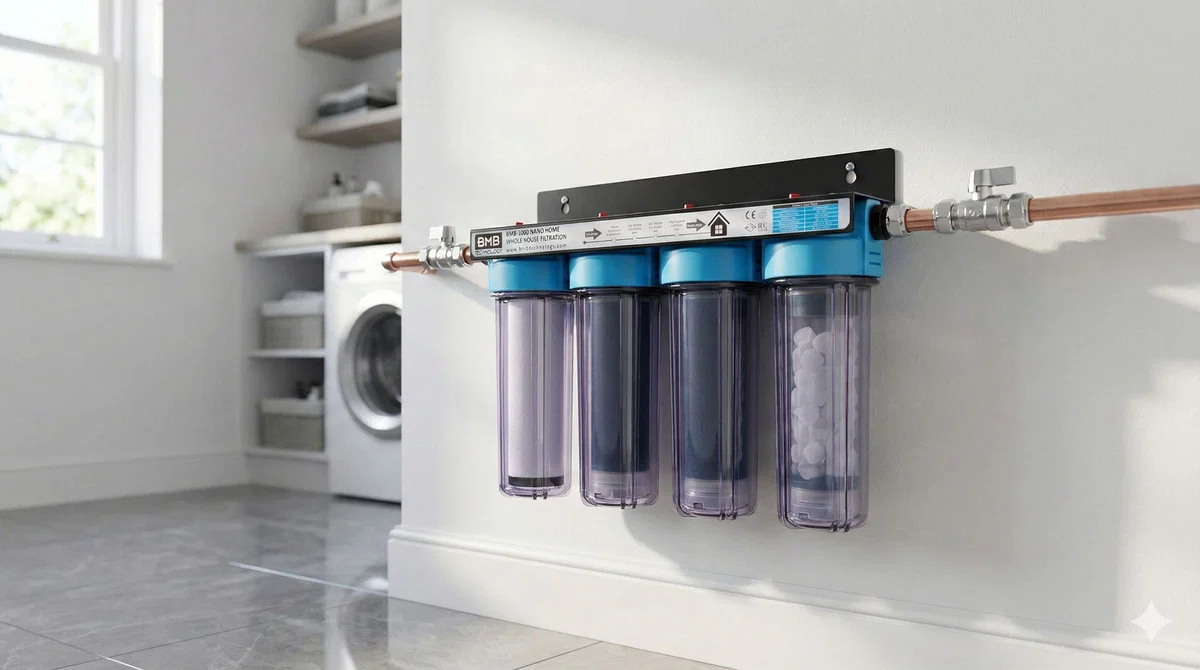
A whole house water filtration system is installed at the main water line, meaning it filters all the water entering your home before it reaches any faucet, shower, or appliance.
Unlike point-of-use filters (like pitcher filters or under-sink units), this system works across the entire home.
That means:
- The water you drink is filtered
- The water you shower in is filtered
- The water used in laundry, dishwashing, and cleaning is filtered
This “whole-home” approach is one of the biggest reasons homeowners are making the switch—it simplifies water treatment without needing multiple devices.
Why Homeowners Are Becoming More Aware of Water Quality
For years, many homeowners trusted that municipal water systems provided fully clean and safe water. While treatment facilities do remove many contaminants, they don’t eliminate everything—and conditions can change by location.
Common concerns include:
- Chlorine and chemical disinfectants
- Sediment and particles from aging pipes
- Heavy metals like lead or iron
- Hard water minerals such as calcium and magnesium
In many areas, water can still meet regulatory standards while carrying substances that affect taste, odor, or long-term exposure concerns.
As more information becomes available online, homeowners are becoming more proactive—not just reacting to problems, but preventing them.
Health and Wellness Are Driving Decisions
One of the biggest reasons homeowners invest in whole house water filtration is health.
Filtered water isn’t just about drinking—it impacts daily exposure in ways people often overlook.
Everyday exposure goes beyond drinking
Think about how often water comes into contact with your body:
- Showering and bathing
- Washing fruits and vegetables
- Cooking meals
- Brushing teeth
Unfiltered water can contain chlorine, sediment, or other impurities that may irritate skin, affect taste, or raise long-term concerns.
Skin and hair benefits
Many homeowners report noticeable improvements in:
- Dry or irritated skin
- Dull or brittle hair
- Residue left behind after bathing
By reducing harsh chemicals and impurities, filtered water can feel gentler and more comfortable for daily use.
Protecting Plumbing and Appliances
Another major reason for the shift is home protection.
Water quality doesn’t just affect people—it affects the entire plumbing system.
Mineral buildup and scaling
Hard water minerals like calcium and magnesium can accumulate over time, leading to:
- Clogged pipes
- Reduced water pressure
- Shortened appliance lifespan
Appliances most affected include:
- Water heaters
- Dishwashers
- Washing machines
Whole house filtration systems—especially when paired with softening components—help reduce this buildup.
Long-term cost savings
While the upfront cost may seem significant, many homeowners see it as a preventive investment.
Reduced wear and tear means:
- Fewer repairs
- Longer-lasting appliances
- Lower maintenance costs over time
Convenience Is a Major Factor
Before whole house systems became more common, homeowners had to rely on multiple solutions:
- Faucet filters
- Pitcher filters
- Shower attachments
- Under-sink systems
Managing all of these can be inconvenient and inconsistent.
A whole house system eliminates that complexity.
One system, total coverage
With a single whole house water filtration installation:
- Every tap provides filtered water
- No need to switch filters across multiple devices
- No guessing which water source is “safe”
This simplicity is a major reason many homeowners upgrade once they learn about the option.
Increasing Property Value and Appeal
Homebuyers are becoming more conscious of water quality—and home features that support healthier living.
A whole house water filtration system can be seen as a value-added upgrade, similar to:
- Energy-efficient appliances
- Smart home features
- Updated plumbing systems
A modern home expectation
In some markets, buyers are starting to expect features that improve comfort and safety.
Filtered water throughout the home:
- Enhances perceived home quality
- Signals proactive maintenance
- Appeals to health-conscious buyers
Even if it’s not a deal-breaker, it can be a strong selling point.
Environmental Considerations
Another growing factor is sustainability.
Many homeowners are trying to reduce their reliance on bottled water, which contributes to plastic waste.
Reducing bottled water consumption
With cleaner water available directly from the tap:
- Fewer plastic bottles are needed
- Less environmental impact from packaging and transport
- Lower long-term spending on bottled water
This aligns with a broader shift toward eco-friendly living and conscious consumption.
Customization and Advancements in Filtration Technology
Modern whole house water filtration systems are more advanced and customizable than ever.
Instead of a one-size-fits-all solution, systems can be tailored based on:
- Local water quality
- Specific contaminants
- Household size and usage
Common filtration stages include:
- Sediment filters (remove particles like dirt and rust)
- Carbon filters (reduce chlorine, odor, and taste issues)
- Specialized media (target specific contaminants like heavy metals)
Some systems also integrate with water softeners for comprehensive treatment.
As technology improves, these systems are becoming more efficient, compact, and easier to maintain—making them more accessible to a wider range of homeowners.
Addressing Common Misconceptions
Despite growing popularity, some homeowners still hesitate due to misconceptions.
“My water already looks clean”
Clear water doesn’t always mean clean water. Many contaminants are invisible and can still affect taste, odor, or long-term quality.
“It’s only for large homes”
Whole house systems can be designed for different property sizes, including smaller homes.
“Maintenance is complicated”
Most systems require periodic filter changes, but maintenance is generally straightforward and predictable.
Understanding these points helps homeowners make more informed decisions rather than relying on assumptions.
Is a Whole House Water Filtration System Right for Every Home?
Not every home has the same water quality issues, which is why evaluation is important.
Homeowners may benefit most if they notice:
- Persistent taste or odor issues
- Visible sediment or discoloration
- Mineral buildup on fixtures
- Concerns about aging plumbing or contaminants
Even without obvious issues, some choose filtration for peace of mind—knowing that their water is consistently treated throughout the home.
Conclusion
The growing interest in whole house water filtration systems isn’t just a passing trend—it reflects a broader shift in how homeowners think about water, health, and home maintenance.
From improving daily comfort to protecting plumbing and reducing environmental impact, these systems offer a comprehensive approach to water quality that single-point solutions can’t match.
As more homeowners become aware of what’s in their water—and how it affects their homes—the decision to upgrade becomes less about luxury and more about long-term value, convenience, and peace of mind.
