

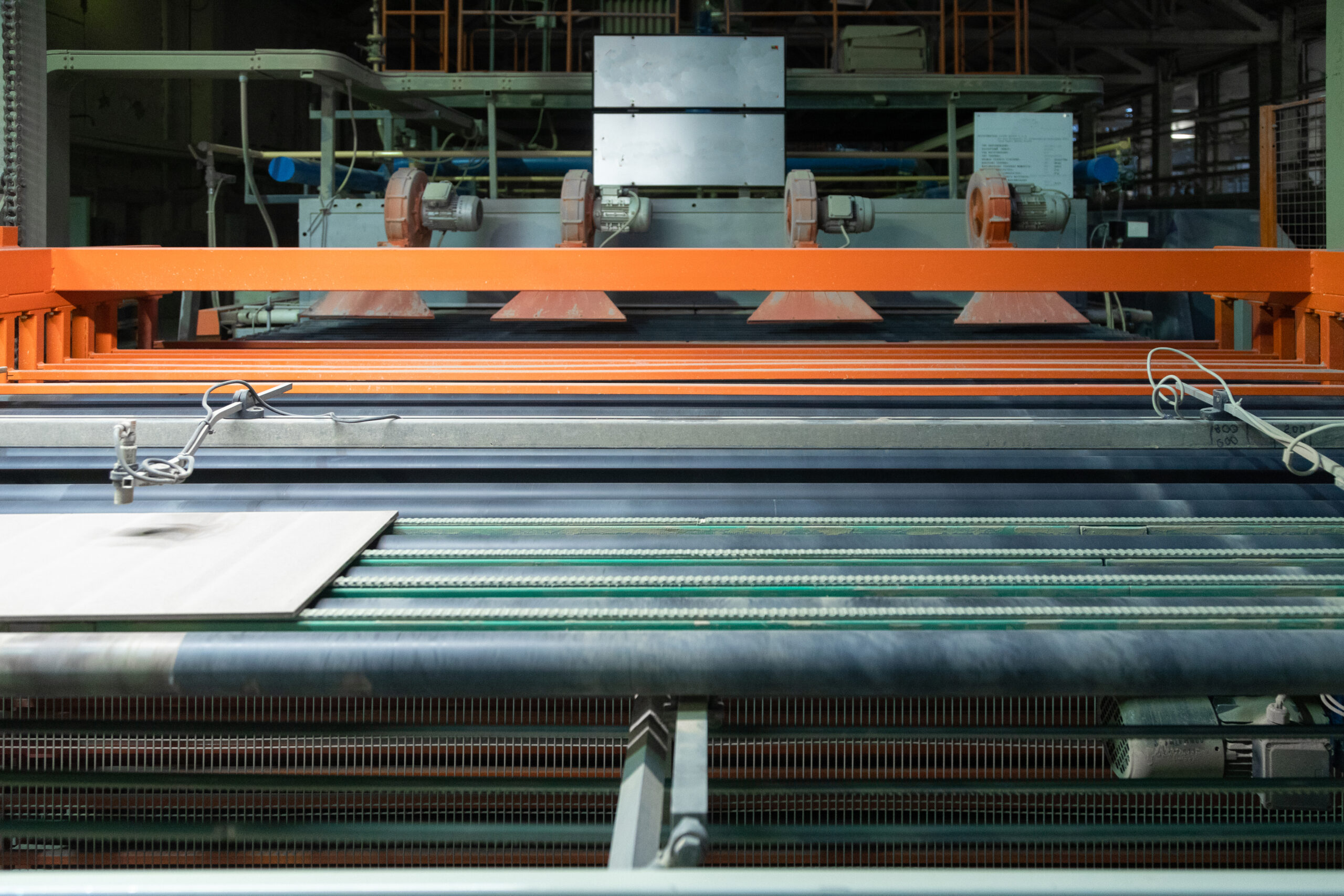
Conveyor belts are part of almost every modern industry. They move goods, raw materials, and finished products with speed and safety. Choosing the right type of conveyor belt matters because it affects performance, cost, and the lifespan of the system. Many industries today also look for trusted suppliers such as Fabric Conveyor Belt Manufacturer in China – Rentone Belt to ensure quality and durability.
Below is a clear and simple guide to the most common types of conveyor belts used across factories, warehouses, ports, and mining sites.
1. Flat Belt Conveyors
Flat belt conveyors are the most widely used. They have a simple structure and work well for general material handling. The belt usually has layers of fabric or synthetic materials. These belts carry boxes, packages, and small products. They are common in food processing, packaging, and assembly lines.
2. Modular Plastic Belt Conveyors
Modular plastic belts are made of interlocking plastic pieces. They are strong, clean, and easy to repair. If one section breaks, workers can replace it without removing the entire belt. These belts are popular in food, beverage, and pharmaceutical operations because they resist water, oil, and chemicals.
3. Cleated Conveyor Belts
Cleated belts have raised sections that help hold materials in place. They are ideal for moving items up or down slopes. These belts prevent materials like grains, powders, or small parts from sliding backward. They are used in agriculture, recycling, and packaging plants.
4. Roller Bed Conveyor Belts
Roller bed conveyors use rollers under the belt to reduce friction. This design is useful for moving heavy loads across long distances. Factories that handle large cartons or bulky goods prefer roller bed systems because they increase belt life and reduce energy use.
5. Pipe Conveyor Belts
Pipe conveyor belts form a tube-like shape while running. This design protects materials from wind, dust, and rain. It also prevents spills. Pipe belts are common in mining, cement production, and power plants. They offer a clean and safe way to move bulk materials.
6. Curved Belt Conveyors
Curved belts change direction without stopping the flow of goods. They are perfect for warehouses, airports, and distribution centers. These belts help save space and allow flexible layout designs.
7. Fabric Conveyor Belts
Fabric belts use layers of textile materials for strength. They are flexible, stable, and suitable for many industries. Many companies prefer reliable partners such as Fabric Conveyor Belt Manufacturer in China – Rentone Belt when they need strong, high-quality fabric belts for long-term use.
Choosing the Right Belt
Choosing the best conveyor belt depends on the material being moved, temperature, speed, distance, and the environment. Maintenance needs and safety also matter. A trusted supplier can guide you toward the right belt for your operation.
Final Thoughts
Conveyor belts play a key role in modern production and logistics. Understanding the types helps businesses work faster, safer, and with less waste. No matter the industry, selecting the right belt and a reliable supplier ensures better performance and longer service life. For strong, durable, and professional fabric belt solutions, many companies turn to Fabric Conveyor Belt Manufacturer in China – Rentone Belt.
