

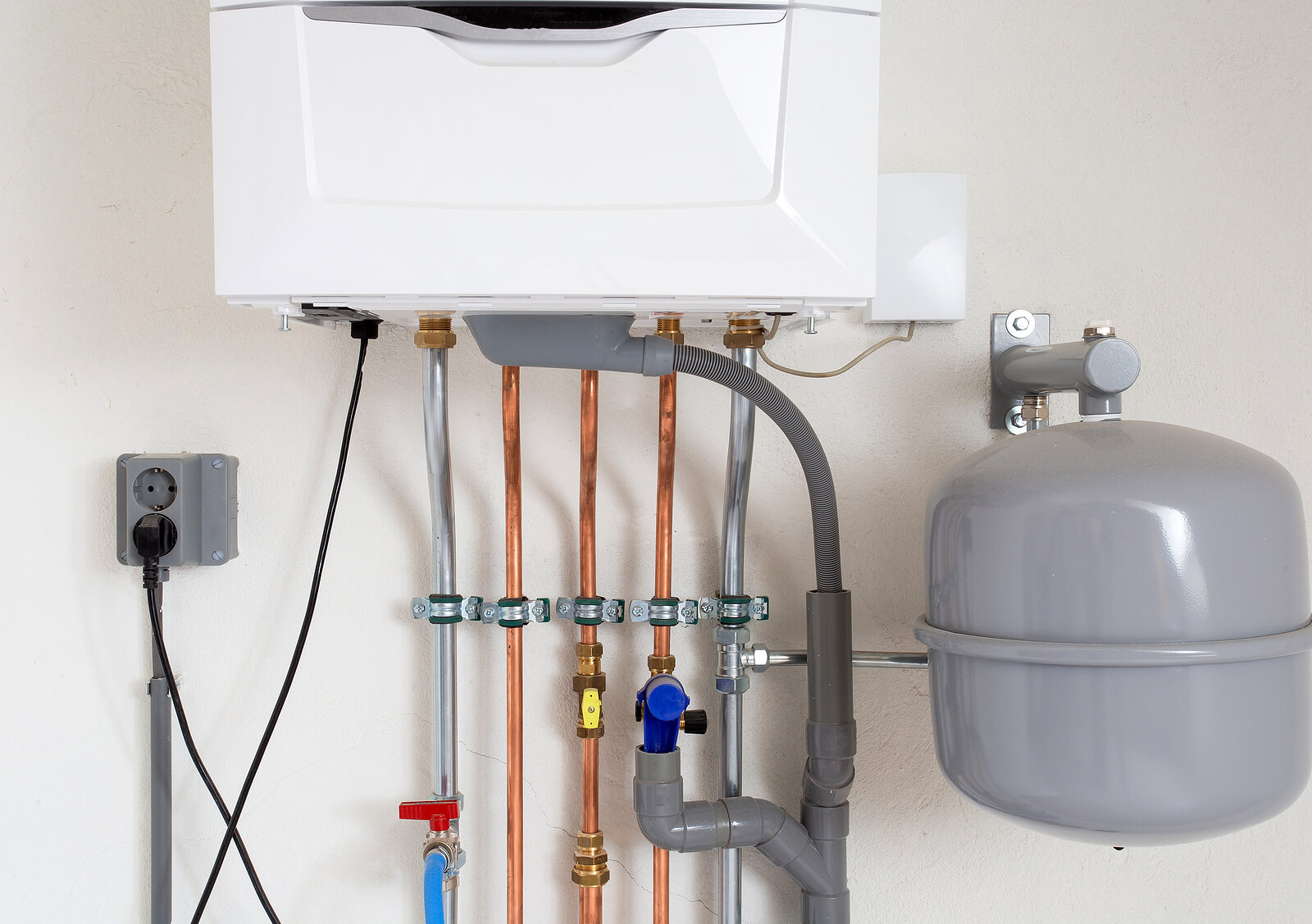
A boiler is the most commonly used residential heating system that keeps your room warm. But, do you know about its internal components that facilitate the heating process? The most important part is the gas valve, which keeps your system safe. Although this component is not visible to users, it has multiple functions. The valve controls the fuel flow and prevents dangerous situations. So, boiler users should understand how gas valves manage the fuel supply and safety.
Features of a boiler gas valve
The gas valve of your boiler comes with a range of features-
A safety shutoff feature helps with the automatic control of the gas supply when the burner flame extinguishes.
- Pressure control is another feature of the gas valve to ensure efficient combustion.
- There are electromagnetic coils to close and open the valve.
- Thermostats integrated with valves facilitate gas flow adjustment based on your temperature settings.
- A physical switch is included to ensure better manual control.
The best gas valves are made from durable materials (like steel and brass) with electrical properties.
How do gas valves of boilers ensure your safety?
A boiler gas valve maintains safety standards in different ways.
Prevent the risk of explosions
A normally functioning boiler safety valve will prevent explosions. It is mainly intended to discharge excess pressure before it crosses a particular limit. The valve will safeguard the heating unit from potential failure. A defective valve may cause the system to explode.
Protect your property
Overpressure accidents will cause severe damage to your property. Thus, the safety valve ensures that the operating pressure has not exceeded its limit. You must check the valve condition to avoid property loss.
Maintain continuous operation
It is frustrating when your boiler does not work in winter. So, the safety valve must work properly to allow the boiler to function efficiently. There will be no risk of unexpected shutdown due to pressure issues.
How do boilers’ gas valves boost fuel supply?
The gas valve plays a role in optimizing the fuel control process for your boiler.
Precise pressure control
Gas valves maintain the consistent pressure of the gas arriving at the burner. As the pressure remains constant, the burner works at optimal efficiency. There is no risk of wasting fuel during combustion. Pressure regulators will lower the high-pressure utility lines based on the system.
Modulate fuel flow
Many innovative boilers have advanced gas valves that cause a variation in the fuel delivery level. The real-time heat demand is also a significant factor in the fuel supply.
The valves do not turn off the system but facilitates low-fire setting when you need less heat. Thus, the burner will not shut down fully, yet save its fuel.
By working with the burner, the valves maintain an air-to-fuel mixture. It leads to minimal fuel wastage and higher efficiency.
Improve reliability
Controlled by PCB, electronic gas valves ensure reliable functions through their safety features. Safety shut-off valves automatically stop their functions when there is a sign of malfunctions, like low gas pressure or flame loss.
The valve is also intended to prevent an uncontrolled gas supply.
How to identify a faulty boiler valve?
Check a few signs indicating issues with your boiler’s gas valve.
PCB issues
A defective PCB can lead to gas valve problems in your boiler. The PCB oversees different functions, such as pressure and temperature management through sensors.
In case a fault occurs, it prevents the gas valve from connecting with the main components. This malfunction may lead to low energy efficiency and safety risks. Call the professionals to repair the safety valve of your boiler.
Wire connection issues
Improper wire connection will cause the gas valve to show issues. The valve controls gas supply to the boiler for safe operations. The most common wiring issues are-
- Damaged cables
- Incorrect voltage
- Loose connections
Detect the potential issue with your wiring system and establish a strong electrical ground. You can rely on professional assistance to deal with these problems.
Sticking valves
Dirt and corrosion are responsible for your boiler valve problems. Impurities will cause failure in the gas valve. Sticky valves will lower the system’s efficiency, which leads to high energy bills.
Conclusion
Boiler gas valves appear to be simple, but they are essential to ensure your heating device’s safety. They control fuel flow with reliability and precision. The valve prevents leaks and potential hazards to your heating unit. For any issue with the gas valve, you may call experts. They repair the component for the safe operations of your boiler.
