

Introduction
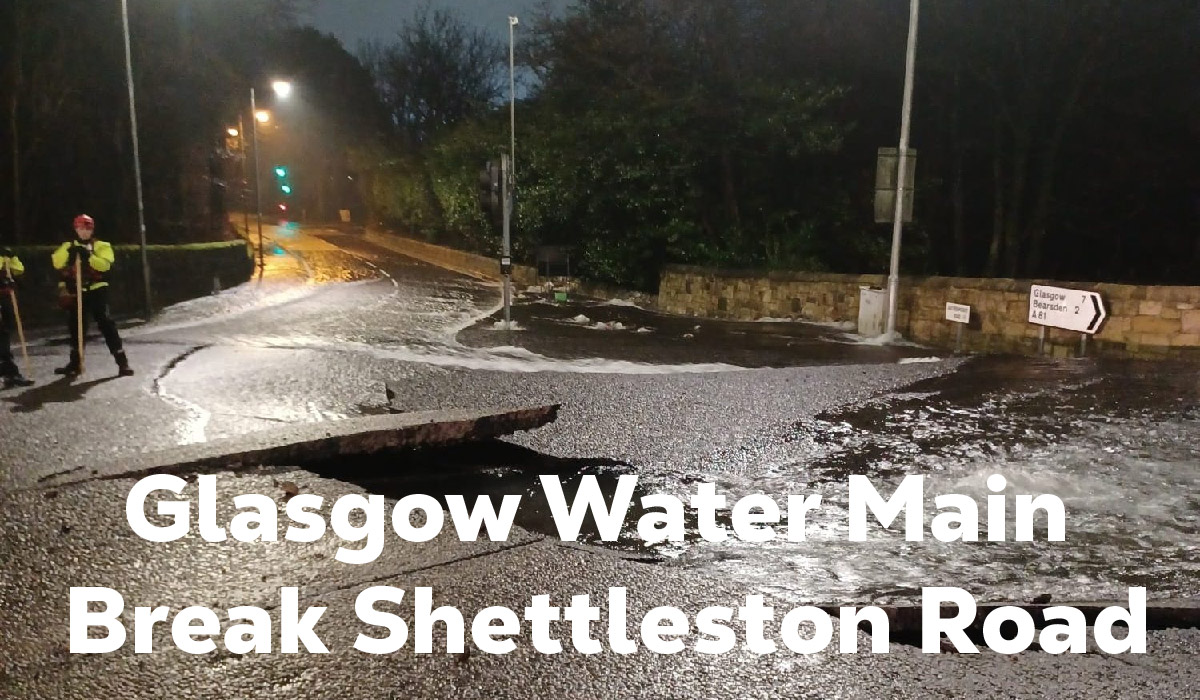
In late September 2025, the East End of Glasgow woke up to a crisis that turned ordinary routines into moments of confusion and concern—the now widely discussed Glasgow Water Main Break Shettleston Road. It began like any other day in the G32 district, but within hours, water began gushing onto the streets from below, disrupting life in an unexpected and alarming way. The major underground pipe beneath Shettleston Road—one of Glasgow’s vital transport and utility corridors—had ruptured, flooding key junctions and forcing both emergency services and residents into rapid response mode. While it might seem like a simple burst pipe, the incident exposed deeper challenges that cities across the UK face: aging infrastructure, overstressed networks, and the urgent need for modernization.
Water is something people rarely think about until it’s no longer available, but for the thousands affected by the Glasgow Water Main Break Shettleston Road, it became the only thing that mattered. From dry taps and discoloured water to business closures and traffic chaos, this event showcased the fragility of modern city life when its invisible systems fail—and it highlighted the collective strength of a community that came together under pressure.
What Happened on Shettleston Road?
Timeline of the Incident
The incident occurred on the morning of May 29, 2025, near the junction of St Mark Street and Shettleston Road, within the G32 postcode area. At approximately 8:30 a.m., residents reported a sudden drop in water pressure, with some homes experiencing sputtering taps and others seeing discoloured water pouring from their pipes. Soon after, water began flooding onto the road surface, forcing the closure of Shettleston Road between Old Shettleston Road and Fernan Street.
Local authorities and Scottish Water crews were quick to respond, but the damage had already disrupted morning routines, halted school runs, and led to significant commuter delays. The burst happened beneath a critical route, magnifying its impact across the East End, with water spreading across nearby footpaths, entering some building foundations, and overwhelming drainage systems that were not designed for such sudden surges.
What Caused the Water Main to Burst?
Initial reports from Scottish Water indicate that the burst was caused by a combination of factors typically found in older urban pipe networks: corrosion, internal pressure fluctuations, and soil movement over time. Like many UK cities, Glasgow’s water infrastructure includes pipes that were laid decades ago, and some even date back to the post-war era. These pipes, often made of cast iron or early steel composites, are vulnerable to modern loads—especially as traffic, temperature changes, and urban density have increased.
Additional external factors, such as heavy road traffic above the mains, the shifting of the earth due to rainfall and temperature changes, and the aging of sealing joints, may have compounded the stress. Notably, this wasn’t the first such event in 2025—similar issues had been reported earlier in the year on Pollokshaws Road, pointing toward a more systemic challenge affecting Glasgow’s underground infrastructure.
Direct Impact on Residents and Businesses
Households and Everyday Life
For many families living along and around Shettleston Road, the sudden rupture brought immediate water outages. Thousands were left without access to clean water—some for hours, others for up to two days. Even after water service was restored, discoloured water—brown, cloudy, or containing sediment—flowed from taps, leaving residents understandably concerned about hygiene and safety. The psychological discomfort of not being able to bathe, cook, or clean using clean water weighed heavily, especially on families with children, the elderly, or vulnerable individuals.
Daily routines were disrupted across the board. While Scottish Water assured residents that discoloured water would clear and was not a health hazard once flushed, the emotional impact of turning on a tap and seeing muddy water cannot be overstated. The incident also highlighted the importance of priority water access services, which were activated for those with medical or disability-related needs.
Local Businesses Struggle
The economic impact of the Glasgow Water Main Break Shettleston Road rippled through the business community. Local salons, cafés, restaurants, and laundromats—all heavily reliant on a consistent water supply—had to close temporarily. Food safety regulations prevented restaurants from operating without access to clean water, while laundromats couldn’t function at all.
Retail shops and service providers also experienced a sharp drop in customer visits. One local report estimated a 70% decline in foot traffic on the affected stretch during the peak of the outage. Small business owners, already struggling post-pandemic, expressed frustration at the loss of trade and the uncertainty over when normal operations would resume. The break served as a painful reminder that even short-term utility disruptions can have long-term financial consequences.
Transport and Traffic Disruption
In addition to water outages, the water main break led to transport chaos in the East End. Shettleston Road is a vital artery for both local commuters and public transport, and its closure forced bus diversions, delayed commutes, and widespread congestion. Westmuir Street, a parallel route, became gridlocked as vehicles sought alternative paths. Public transport users faced extended wait times, with many buses either cancelled or rerouted. Emergency vehicles also had to adjust their routes, adding to delays. For residents who rely on predictable travel for work, school, or care responsibilities, this disruption had cascading effects.
Emergency Response by Scottish Water and the City
Utility Provider Action
Scottish Water was praised for its swift response, with teams arriving quickly to assess the site, shut down supply valves, and begin excavation. The first priority was public safety—stopping the flood, stabilizing the road surface to prevent collapse, and securing pedestrian walkways. As soon as the break was isolated, crews began rerouting water from alternate mains to reduce the impact on nearby areas. Engineers worked around the clock, using specialized equipment to inspect the damaged segment and replace the broken sections of pipe. Traffic management teams, in coordination with the Glasgow City Council, implemented roadblocks and diversions, ensuring that emergency vehicles had access and the public was kept out of harm’s way.
Communication and Public Alerts
A standout aspect of the response was the transparent communication strategy employed by Scottish Water. From social media updates and live map advisories to SMS notifications and local radio alerts, residents were kept informed in real time. A dedicated customer helpline (0800 0778 778) was established to address individual concerns. The utility provider also posted a water quality advisory online, outlining steps to safely flush discoloured water and when it would be safe to resume normal use. This clarity helped reduce panic and confusion, allowing the public to plan accordingly.
Community Resilience
Amid the disruption, the community showed remarkable resilience. Neighbours checked in on one another, particularly elderly or disabled individuals who might struggle to fetch water or cope with the outage. Some local shops and churches opened their doors to offer access to clean toilets or bottled water. Social media groups were flooded with helpful updates, pictures of affected areas, and offers of support. This spirit of local solidarity turned what could have been a purely negative event into a moment that highlighted Shettleston’s strength and cohesion.
Repair Work and Technical Process
Excavation and Assessment
The burst required deep excavation to reach the compromised pipe section. Engineers used trenching equipment to remove damaged materials and inspect the surrounding soil. The old pipe, corroded and weakened, was replaced with modern materials designed to better withstand pressure and environmental changes. Additional checks were made along adjacent sections to prevent further ruptures. Ground stabilization was another key task to ensure the road could safely support traffic again once reopened.
Water Restoration Timeline
While most homes had some form of water restored within 6 to 12 hours, others—particularly those closest to the rupture—waited up to 48 hours. Even after water returned, discolouration persisted in some areas, a common side effect of sediment being dislodged. Scottish Water advised running the cold kitchen tap until the water cleared and confirmed through testing that once clarity returned, the water met all safety and health standards.
Underlying Issues: Infrastructure Age and Climate Stress
Aging Pipe Networks
Glasgow, like many historic cities in the UK, is dependent on water mains that are 50–100 years old. Over time, these pipes deteriorate—especially when maintenance is delayed or underfunded. Materials degrade, joints weaken, and fluctuations in demand can cause pressure spikes that older pipes simply cannot handle. The Glasgow Water Main Break Shettleston Road is emblematic of a much wider problem facing cities across the country.
Climate Change and New Pressures
The climate is becoming increasingly erratic, with heavier rainfall, freeze-thaw cycles, and soil shifts contributing to the stress on underground infrastructure. Add to this the pressures of urban growth, traffic weight, and construction vibration, and you have a recipe for increased risk of failure. Smart infrastructure solutions will be necessary to adapt to these evolving challenges.
Long-Term Lessons and Next Steps
Why Preventive Maintenance Is Essential
Rather than relying on reactive repair after failures, Glasgow needs to prioritize preventive maintenance and smart monitoring systems. These can detect early warning signs—pressure drops, material fatigue, or leaks—before a full-scale rupture occurs. Modern sensor technologies and AI-based anomaly detection are already used in cities like Singapore and Copenhagen. Such systems could prevent the kind of chaos that unfolded on Shettleston Road.
What Glasgow Needs to Do
Glasgow’s infrastructure roadmap must now include proactive pipe replacement programs, targeted particularly at high-risk zones like the G32 area. Investment in real-time monitoring, emergency response dashboards, and community education programs can ensure both the system and its users are prepared for future challenges. City officials, utility companies, and residents must collaborate toward building a resilient and future-ready infrastructure model.
What to Do During a Water Main Break
During events like the Glasgow Water Main Break Shettleston Road, here’s what residents should do:
-
Store bottled water or fill containers as soon as pressure drops
-
Avoid using discoloured water for cooking, drinking, or bathing
-
Run only the cold kitchen tap to flush out sediment
-
Don’t use appliances that rely on clean water (e.g., dishwashers)
-
Sign up for utility SMS alerts or follow social channels for updates
-
Register vulnerable household members with Scottish Water’s Priority Services
Final Conclusion
The Glasgow Water Main Break Shettleston Road was more than an isolated technical failure—it was a mirror held up to the vulnerabilities of modern city life. It revealed the importance of the unseen systems we depend on daily and how quickly normalcy can vanish when those systems fail. Yet amid the disruption, it also demonstrated Glasgow’s capability to respond, adapt, and rebuild. Moving forward, the lesson is clear: investment in smarter infrastructure, predictive maintenance, and community preparedness is not just wise—it’s necessary. The Glasgow Water Main Break Shettleston Road reminds us that the systems we rely on must be strong, smart, and future-proofed, and now is the time to take action.
(FAQs) Glasgow Water Main Break Shettleston Road
1. What is the Glasgow Water Main Break Shettleston Road?
The Glasgow Water Main Break Shettleston Road was a major pipe burst that happened in late September 2025 in Glasgow’s East End. It caused flooding, traffic problems, and left many homes and businesses without clean running water.
2. Why did the water main break on Shettleston Road in Glasgow?
The Glasgow Water Main Break Shettleston Road happened because of old, worn-out underground pipes. Over time, pressure, corrosion, and ground movement caused the pipe to burst.
3. How long did the Glasgow Water Main Break Shettleston Road last?
The water outage from the Glasgow Water Main Break Shettleston Road lasted for several hours in most areas. Some homes had water issues like low pressure or brown water for 1 to 2 days.
4. Is the water safe after the Glasgow Water Main Break Shettleston Road?
Yes, after the Glasgow Water Main Break Shettleston Road, the water was tested and confirmed safe. If it looks discoloured, run the cold tap until it clears before using.
5. What should I do during a water main break like the Glasgow Water Main Break Shettleston Road?
If a water main breaks like the Glasgow Water Main Break Shettleston Road, use bottled water, avoid discoloured water, and check updates from Scottish Water. Run only the cold tap once water returns to clear the pipes.
More Amazing Stories And Biographies Visit Techreels
