

Tooth loss affects many adults in Singapore, whether due to decay, gum disease, trauma, or aging. Beyond aesthetics, missing teeth can impair chewing efficiency, speech, and long-term oral health. When replacing missing teeth, most patients narrow their options down to dental implants or dentures.
Both treatments restore function and appearance, but they differ significantly in comfort, longevity, maintenance, and cost. Understanding these differences helps patients make confident, informed decisions aligned with their lifestyle and oral health goals.
This article offers a comprehensive comparison of dentures vs dental implants in Singapore, explaining how each option works, who they suit best, and which solution may provide better long-term value.
Understanding Dental Implants
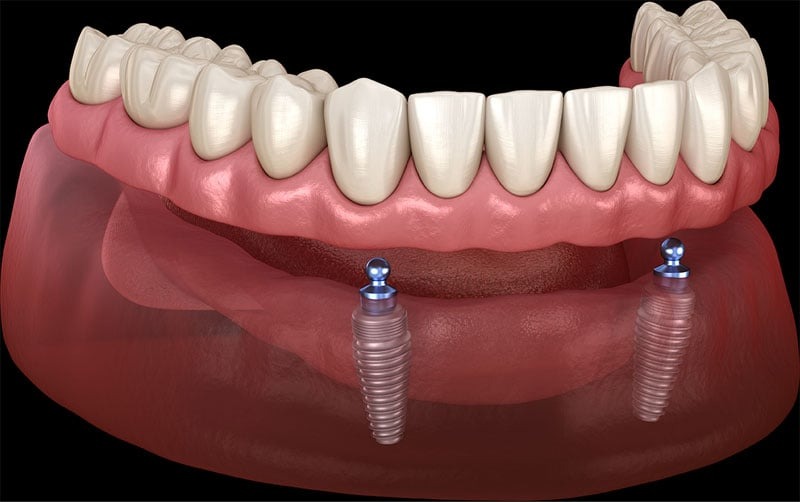
Dental implants replace missing teeth by replicating the natural tooth structure. A titanium post functions as an artificial tooth root and integrates with the jawbone. Dentists then place a custom crown, bridge, or denture on top of the implant.
Because implants fuse with bone, they provide stability comparable to natural teeth. In Singapore, dentists commonly recommend implants for patients seeking a long-term, fixed solution for tooth loss.
Understanding Dentures
Dentures are removable prosthetic appliances designed to replace missing teeth. Patients may receive full dentures when all teeth are missing or partial dentures when some natural teeth remain.
Dentures rest on the gums and may use clasps or adhesives for retention. While modern dentures look more natural than older versions, they still rely on surface support rather than jawbone integration.
Key Differences Between Dental Implants and Dentures
Stability and Comfort
Dental implants remain firmly anchored in the jawbone. They do not shift during eating or speaking, allowing patients to chew confidently and speak naturally.
Dentures, by contrast, may move or loosen over time. Even well-fitted dentures can feel unstable, particularly during meals or extended conversations. Many patients report pressure points or gum irritation with prolonged wear.
Bone Health and Facial Structure
Jawbone stimulation plays a critical role in oral health. Dental implants stimulate the bone during chewing, helping preserve bone density and facial contours.
Dentures do not stimulate the jawbone. Over time, bone resorption may occur, leading to changes in facial shape and a sunken appearance. This process often requires denture adjustments or replacements.
Aesthetic Results
Both options aim to restore a natural-looking smile, but implants often provide superior results. Implant-supported crowns emerge from the gum line like natural teeth, enhancing realism.
Dentures can look natural initially, but changes in gum and bone structure may affect fit and appearance over time.
Daily Maintenance and Oral Hygiene
Dental implants require routine oral care similar to natural teeth. Brushing, flossing, and regular dental visits maintain implant health.
Dentures require additional daily care, including removal for cleaning and overnight soaking. Some patients find this routine inconvenient or uncomfortable, especially when traveling or socializing.
Longevity and Durability
Dental implants often last decades when properly cared for. While the crown may require replacement after many years, the implant itself typically remains intact.
Dentures generally need replacement every five to eight years due to wear, gum changes, or fit issues. Long-term costs can accumulate as adjustments and replacements become necessary.
Cost Comparison in Singapore
Cost remains a key consideration for many patients. Dentures typically involve a lower upfront investment, making them appealing for short-term needs.
Dental implants involve higher initial costs due to surgical placement, materials, and technology. However, implants often provide better long-term value because of durability and reduced need for replacements.
In Singapore, reputable clinics such as Nuffield Dental emphasize transparent pricing and personalized treatment planning, allowing patients to evaluate both immediate and long-term costs clearly.
Who Should Choose Dental Implants?
Dental implants suit patients who prioritize long-term stability, comfort, and oral health. Candidates typically have healthy gums and sufficient jawbone or qualify for preparatory procedures.
Implants work especially well for patients who want a fixed solution without daily removal or movement concerns.
Who Should Choose Dentures?
Dentures may suit patients seeking a more affordable initial option or those with medical conditions that limit surgical procedures. They also serve as temporary solutions during healing phases or while planning future implant treatment.
Dentists in Singapore often recommend dentures when bone loss or budget constraints limit implant suitability.
Lifestyle and Confidence Considerations
Dental implants allow patients to eat a full range of foods without fear of slippage. This freedom often improves quality of life and social confidence.
Dentures may restrict food choices and cause self-consciousness in social settings. Adhesives and frequent adjustments can add to daily inconvenience.
Making the Right Choice in Singapore
Choosing between dental implants and dentures requires professional evaluation and personalized guidance. Dentists assess oral health, bone structure, lifestyle, and long-term expectations before recommending a solution.
Clinics like Nuffield Dental focus on evidence-based care and patient education, helping individuals select treatments that align with their needs and goals.
Closing Perspective: Choosing the Best Tooth Replacement Option
Dental implants and dentures both restore smiles, but they serve different purposes. Dental implants offer superior stability, longevity, and bone preservation, while dentures provide an accessible alternative for certain patients.
Understanding these differences empowers Singapore patients to make informed decisions that support both oral health and overall well-being.
FAQs: Dental Implants vs Dentures in Singapore
1. Are dental implants better than dentures?
Dental implants generally provide better stability, comfort, and longevity, but suitability depends on individual health and budget.
2. Do dentures damage gums over time?
Ill-fitting dentures can cause gum irritation and contribute to bone loss if not properly maintained.
3. How long do dental implants last?
With proper care, dental implants can last decades and often function as a permanent solution.
4. Can dentures be upgraded to implants later?
Yes. Many patients transition from dentures to implant-supported restorations after evaluation.
5. Which option looks more natural?
Dental implants usually offer a more natural appearance due to their integration with the jawbone.
