

Who Is Buutman?
In the endless landscape of internet identities, few names strike curiosity quite like Buutman. The term itself, though humorous and oddly spelled, has captured attention across various online platforms, suggesting more than just a random username. Buutman is a mysterious digital character, a living meme, and a community-sourced persona who appears in creative circles, meme forums, art hubs, and gaming spaces. From DeviantArt to YouTube and Twitter, Buutman stands as a symbol of modern internet culture—eccentric, unpredictable, and strangely authentic. This article explores every facet of Buutman’s existence, from origin stories and platform footprints to creative impact and future potential. So, who is Buutman? Let’s dive into the enigma behind the name and unravel its fascinating journey through digital identity, fan culture, and meme evolution.
The Birth of Buutman — A Digital Enigma
Buutman’s story doesn’t begin with a splashy debut or viral post. Instead, it trickles into the internet’s collective consciousness through fragmented appearances on art-sharing sites like DeviantArt. Early illustrations labeled “The Buut Man” showcased surreal, comedic, and even absurd visual interpretations, hinting at a character that had no formal design—only fan-generated visuals that evolved with each artistic take. These contributions laid the foundation for a persona built entirely by the internet’s imagination. Unlike branded influencers or mainstream content creators, Buutman had no origin video or backstory. He simply appeared—and then grew.
Origins on DeviantArt and Visual Communities
DeviantArt played a central role in shaping Buutman’s visual identity. Artists created various interpretations, turning a seemingly meaningless name into a muse for creativity. In these digital sketches, Buutman emerged as a quirky, chaotic, and sometimes heroic figure. The character didn’t follow traditional rules of design; instead, it mirrored the artist’s style, humor, and cultural references. Over time, “The Buut Man” evolved from a tag into a recognizable figure in niche artistic communities. These illustrations weren’t just images—they were starting points for myth-making, character design, and fan-driven storytelling, proving that Buutman was more than a passing gag.
The Name Itself — Language, Sound, and Symbolism
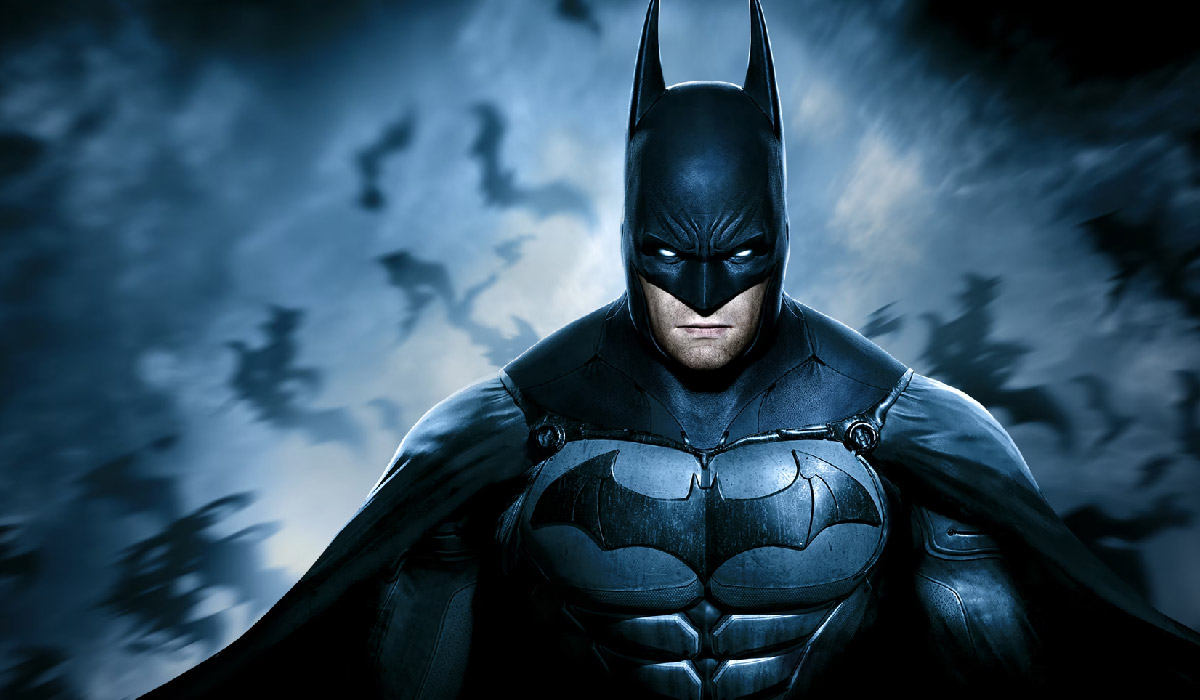
Why “Buutman”? The name is phonetically unusual, which makes it ideal for meme culture and search engine visibility. It sounds like a parody of a superhero (“Batman“) but adds comedic effect through intentional misspelling. Words like “Buut” have no set meaning, giving the character an open canvas. In digital branding, this is powerful—no one forgets a name that sounds weird yet familiar. It’s that kind of deliberate oddity that helps Buutman thrive online. The name is also meme-adaptable, meaning it can be inserted into jokes, gifs, and digital lore while still sounding like it belongs in the conversation. As a keyword, “Buutman” ranks high in uniqueness, making it ideal for SEO and internet culture alike.
Buutman’s Rise Across Digital Platforms
Buutman didn’t stay confined to DeviantArt. As internet culture evolved, so did Buutman’s reach. His presence expanded across platforms like YouTube, Twitter, and gaming forums—each offering a different lens through which the character could evolve. On YouTube, Buutman became synonymous with odd gaming edits and community-driven humor. Twitter, the character took on a voice, engaging with fans through quirky commentary and memes. On forums like Emperor’s Hammer, Buutman became part of fan-fiction, sci-fi lore, and collaborative storytelling, highlighting the adaptability and flexibility of a persona that belongs to no one—and everyone.
YouTube – Comedy, Edits, and Gaming
YouTube channels such as @buutman4009 helped bring Buutman to life through video format. These weren’t mainstream productions—they were community creations, gaming clips, edits filled with meme culture, and inside jokes that only certain audiences would understand. But that’s the magic of Buutman. The character didn’t aim to go viral. It aimed to connect, amuse, and engage a very specific audience. Whether it was Minecraft, Halo, or parody animations, Buutman became a recurring character in a digital world that thrives on remixing content and reinventing humor. Each video, edit, and meme breathed new life into the character.
Twitter – A Voice for the Meme
Buutman’s Twitter persona, primarily under the handle @buutmans, took things a step further. Here, the character wasn’t just visual or video-based—it had a voice. Tweets ranged from dry humor and internet commentary to bizarre memes and philosophical questions that felt like digital absurdism. Followers engaged directly, creating threads, resharing jokes, and treating Buutman like a chaotic internet sage. The platform’s fast-paced format was perfect for Buutman’s unpredictable nature. With every tweet, the persona became more self-aware and meta, poking fun at meme culture while simultaneously being part of it.
DeviantArt – The Art-Fueled Identity
DeviantArt remained Buutman’s artistic home. As his popularity grew, so did the complexity of the fan art. Artists began to collaborate on character sheets, webcomics, and full visual narratives. Buutman went from being an abstract idea to a character with symbolic presence in art communities. Some pieces portrayed him as a hero, others as a glitch in the digital universe. But all of them had one thing in common—an invitation to contribute. That’s what made Buutman so community-driven. He wasn’t just observed; he was co-created.
Gaming Forums – Fandom, Sci-Fi, and Community
On platforms like Emperor’s Hammer, a sci-fi and gaming community, Buutman morphed into a participatory legend. In these forums, users didn’t just discuss Buutman—they built worlds around him. He became a part of digital missions, fictional universes, and inside jokes. This world-building aspect took Buutman from meme to myth, reflecting how internet characters can evolve into collaborative storytelling platforms. Buutman didn’t lead a community; he became the community’s reflection—a mirror of its humor, interests, and desire to play with identity.
The Creative Essence of Buutman
Buutman thrives on creativity, absurdity, and the freedom of being undefined. He isn’t a polished brand or commercial entity. He’s chaotic-good, meme-born, and community-fed. This freedom allows Buutman to exist in fan art, parody videos, serious lore discussions, or funny memes without contradiction. His creative essence is not bound by logic or linear storytelling—it’s exploratory and participatory. Buutman is the digital equivalent of a “yes, and…” improv session, constantly evolving based on whoever interacts with him next.
A Community-Sourced Identity
What makes Buutman unique is that there’s no official creator or owner. This persona is decentralized, growing organically through fan contributions. Such community-sourced identities have become increasingly common in the meme generation, where fandoms build more than they consume. Buutman isn’t a product—he’s a process. A living experiment in collaborative creativity where each fan, artist, or meme-maker becomes a co-author.
Humor, Absurdity, and Meme Language
Humor is central to Buutman’s DNA. Whether in visual jokes, odd language, or nonsensical captions, Buutman taps into the core of meme culture: absurdist humor. He doesn’t make sense in the traditional sense—and that’s the point. In a digital world overwhelmed by content, randomness is refreshing. Buutman’s appeal lies in his unpredictability. He shows up when you least expect it, says things that feel oddly profound, and disappears into the algorithm only to resurface in fan content again.
Adaptability and Format Shifting
The character’s format-shifting nature is one of his greatest strengths. Buutman is as effective in an image macro as he is in a long YouTube parody or a three-panel comic strip. His ability to move across formats—without losing his identity—demonstrates a rare kind of digital agility. It’s what makes him durable in a landscape where most memes die within days. Buutman adapts without diluting.
Why Buutman Resonates with Followers
People follow Buutman not just for laughs but for a sense of shared digital identity. In a world where online personalities often feel scripted, Buutman’s chaotic and authentic presence feels human—even if fictional. He’s not a brand trying to sell; he’s a meme trying to make you laugh, think, or even contribute. Batman connects deeply with Gen Z and Alpha users who value authenticity, irony, and communal creation over commercialized perfection.
Buutman and the Power of Usernames in Digital Culture
Usernames are the new identities. In today’s internet culture, the name you pick often speaks more than your bio. Buutman is an example of how a strange-sounding username can evolve into a full-fledged persona. Just like Doge or Shrekposting, Batman has the potential to move from internet humor into lasting digital heritage. The name is SEO-friendly, unforgettable, and meme-ready—an ideal combination for internet relevance.
Challenges That Buutman Faces
Despite the growing recognition, Buutman isn’t without hurdles. He lacks a consistent content strategy, making it hard for new followers to “catch up.” He also competes against algorithmic favoritism that boosts corporate creators. Monetization is another challenge—how do you profit from a meme without ruining what makes it fun? These are questions that Buutman’s community must navigate if they hope to keep the character relevant.
Opportunities for Expansion
Buutman’s future is wide open. There are endless possibilities: Twitch streams in character, merch lines with fan art, interactive comics where fans choose the plot, or even collaborations with indie creators. With the right strategy, Buutman could evolve from a digital oddity into a legitimate microbrand—one that sells creativity, absurdity, and community over commercial gloss.
How Buutman Reflects the Evolution of Online Culture
Buutman is a case study in how digital culture has shifted. Where influencers once dominated with perfect posts, now personas like Batman thrive—raw, weird, and co-created. He reflects how people no longer want to just watch—they want to shape. He embodies the meme-age spirit: participatory, playful, and proudly unpredictable.
What the Future Holds for Batman
If nurtured well, Buutman could become a long-term digital icon—perhaps not as mainstream as Pepe or Doge, but firmly beloved within niche subcultures. His future lies in how fans carry him forward—through comics, videos, memes, or even games. If there’s one certainty, it’s this: Batman will never stay the same. And that’s his power.
Final Thoughts
Buutman is more than a meme. He’s a mirror of internet culture, a symbol of chaotic creativity, and a movement in participatory storytelling. From random username to community legend, Batman proves that in the digital world, even the weirdest names can become iconic. Whether you’re a fan, a creator, or simply curious, there’s always something new to discover—and create—with Buut man.
FAQs
1. Who is Buutman?
Buutman is a creative online character known for combining humor, gaming, art, and memes. He appears on platforms like DeviantArt, YouTube, Twitter, and forums, where fans help shape his identity.
2. Where did Buutman come from?
Buutman first appeared on DeviantArt as a fan art character. Over time, he spread to YouTube and social media, becoming a popular internet persona in gaming and meme communities.
3. Why is Buutman popular online?
People like Buutman because he is funny, unique, and unpredictable. His content feels natural, and he connects with fans through jokes, videos, and artwork across many platforms.
4. Is Buutman a real person or a character?
Buutman is more of a character than a real person. He is a digital identity created and shared by fans, making him a community-based figure in internet culture.
5. Can Buutman become a brand?
Yes, Buutman has strong potential to become a brand. With his unique name, fan base, and creative content, he could grow into merchandise, comics, games, or even live streams.
More Amazing Stories And Biographies Visit Techreels
