

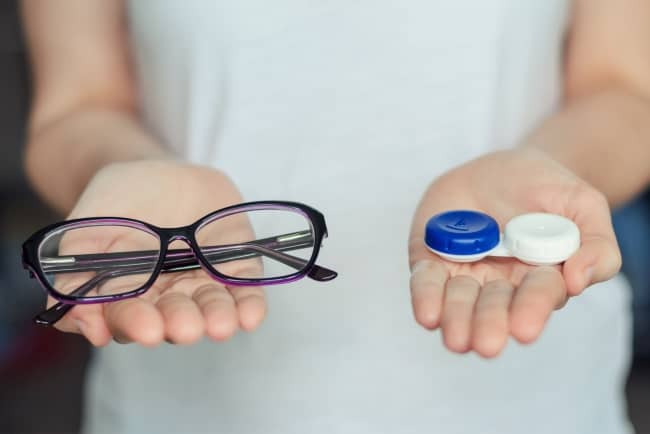
Deciding what to wear for vision correction each day can feel overwhelming when you’re faced with two excellent options. Both contact lenses and glasses have evolved significantly, offering comfort, style, and crystal-clear vision. The right choice for your daily wear depends on several personal factors that go beyond simple preference.
Assessing Your Daily Routine
Your typical day should guide your eyewear decision. If you work in an office environment with long computer sessions, glasses might reduce digital eye strain. You can remove them easily during breaks, giving your eyes periodic rest. Many prescription glasses now include blue light filtering technology that helps minimize screen-related fatigue.
For people with active jobs or physically demanding roles, contact lenses often prove more practical. Construction workers, healthcare professionals, and retail employees appreciate that contacts won’t slide down their nose or get in the way during tasks. They provide unobstructed vision in all directions, which is crucial when you need to stay alert and aware of your surroundings.
Comfort and Adaptation Period
First-time contact lens wearers should know there’s a learning curve. Inserting and removing lenses takes practice, and your eyes need time to adjust to having something on their surface. Some people adapt within days, while others take a few weeks. Modern soft contact lenses are more comfortable than ever, but they still require consistent care and handling.
Glasses offer immediate comfort with no adaptation needed. You simply put them on and see clearly. However, some people find frames uncomfortable on their nose or ears, especially after extended wear. The weight of glasses can cause indentations or headaches, particularly with stronger prescriptions that require thicker lenses.
Maintenance and Hygiene Requirements
Daily maintenance differs significantly between the two options. Glasses need occasional cleaning with a microfiber cloth and lens cleaner. That’s essentially it. Store them in a case when not wearing them, and you’re done.
Contact lenses demand more rigorous hygiene. Unless you choose daily disposables, you’ll need to clean, disinfect, and store your lenses every single day. This involves fresh solution, a clean case, and careful handling with washed hands. Skipping these steps can lead to serious eye infections. When you buy contact lenses online, you’ll also need to stock up on cleaning solutions and replacement lenses regularly.
Budget Considerations for Daily Wear
Financial planning matters when choosing daily eyewear. A quality pair of glasses represents a significant upfront cost, but they can last several years. You’ll only need replacements when your prescription changes or if they break. Adding a backup pair increases security but also doubles the expense.
Contact lenses involve ongoing costs that add up over time. Daily disposable lenses are the most expensive but offer maximum convenience and hygiene—perfect for daily wear without cleaning hassles. Monthly lenses cost less per day but require solutions and cases. Calculate your annual spending to understand the true cost difference.
Weather and Environmental Factors
Consider your local climate and typical activities. Glasses fog up when transitioning between temperatures, which can be frustrating during winter months or when enjoying hot beverages. Rain and snow also affect visibility through lenses, requiring frequent wiping.
Contact lenses eliminate these weather-related issues. They won’t fog up, and precipitation doesn’t affect your vision. However, wind and dry environments can make contacts uncomfortable, causing your eyes to feel dry or irritated. If you live in a particularly arid climate, you might need rewetting drops throughout the day.
Making the Practical Choice
Here’s a realistic approach: many people don’t choose just one option. Having both glasses and contact lenses provides flexibility for different situations. Wear contacts during workouts, social events, or long days when you want freedom from frames. Switch to glasses for relaxed evenings, early mornings, or when your eyes need a break.
Start by being honest about your commitment level. If you know you’ll struggle with the discipline of daily lens care, glasses might be your better option. If you value the natural field of vision and dislike how frames look on your face, invest in quality contact lenses.
Schedule an appointment with your eye care professional to discuss your lifestyle, preferences, and any eye health considerations. They can recommend specific products suited to your needs, whether that means finding the perfect frame style or identifying the most comfortable contact lens material for your eyes. The best choice is the one you’ll actually use consistently and comfortably every day.
