

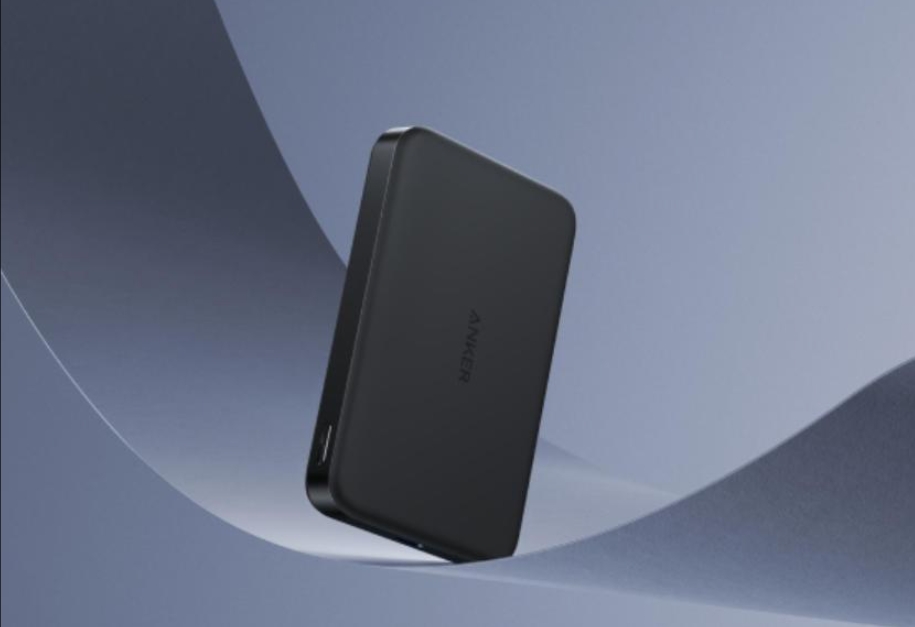
Power banks look simple from the outside, but the speed at which they drain often surprises users. Many expect a 10,000mAh model to deliver a predictable number of phone charges, yet real-world results vary widely. Temperature, conversion efficiency, charging methods, and device behavior all influence how long a power bank lasts. Even the way you hold or use your phone during charging can affect power consumption. Understanding these factors helps you set realistic expectations and choose a model designed for stable performance. Slim, thermally controlled designs like the Anker MagGo Power Bank (10K, Slim) show how engineering choices improve both power delivery and efficiency, especially for phones that rely heavily on fast charging.
What Factors Cause Unexpected Fast Drain?
Energy Conversion Losses Reduce Effective Capacity
A power bank’s rated capacity reflects the energy stored inside its cells, but not all stored energy reaches your device. During charging, power passes through conversion circuits that adjust voltage and manage current. These steps ensure safe output, but they also consume energy along the way. Wireless charging introduces additional conversion layers, which naturally reduce efficiency further. This is why a 10,000mAh model may deliver fewer full phone charges than expected. The MagGo Power Bank (10K, Slim) mitigates some of these losses through its Qi2-certified 15W wireless system and stable USB-C output, both designed for consistent transfer efficiency. When conversion is more efficient, usable capacity increases, and the power bank drains more slowly during real-world use.
Phone Activity During Charging Impacts Consumption
A power bank not only charges your device but also powers your phone’s live activity. If you stream videos, use navigation, play games, or run background-intensive apps while charging, the phone draws more power. As a result, the power bank empties faster because it supplies both battery replenishment and active-use energy simultaneously. Many travelers notice faster drain when navigating unfamiliar areas or recording content—two activities that require both screen and GPS resources. A stable model like the MagGo Power Bank provides sufficient output to keep up with these demands, especially with its 30W USB-C port for heavier tasks. Still, the more your phone does during charging, the quicker a power bank will deplete.
Temperature Conditions Influence Performance More Than Expected
Lithium-ion batteries perform differently depending on temperature. Cold environments reduce voltage output, while heat increases internal resistance. Both conditions force the power bank to work harder, using more energy than it would at moderate temperatures. This is why users see faster drain during winter travel or long periods of outdoor heat exposure. The MagGo Power Bank’s aerogel thermal insulation helps protect against these fluctuations, keeping temperatures more stable for both the power bank and the device it charges. When the temperature stays controlled, the battery maintains higher efficiency and delivers closer to its rated performance. This design consideration becomes especially valuable for users who travel often or charge devices while on the move.
Why Usage Habits Shape Real-World Battery Life?
Wireless Charging Behavior Requires More Power
Wireless charging offers convenience, but it uses more energy than a wired connection because the power bank must maintain magnetic alignment and transfer power through coils. Even small shifts between the phone and charger can increase energy demand. This doesn’t indicate a flaw—it is simply the nature of inductive charging. The MagGo Power Bank uses strong magnetic alignment and Qi2 certification to reduce these losses, helping maintain stable charging efficiency. Users who rely exclusively on wireless output may naturally experience faster drain than those who alternate between wireless and USB-C. Understanding this behavior allows you to choose the method that balances convenience and efficiency for each situation.
Standby Processes and Background Apps Consume Power Quietly
Even when the screen is off, your phone may run location services, syncing operations, cloud backups, notifications, or app refresh tasks. These processes draw energy silently, meaning the power bank must supply more power than anticipated. This is one of the most common—but least recognized—reasons a power bank drains quickly. Users often assume that charging alone consumes energy, but standby operations can significantly increase demand. When paired with a consistent charger like the MagGo Power Bank, your device receives stable output even when background processes spike. For users who want slower drain, disabling power-intensive background features during charging can preserve power bank capacity.

Cable Quality and Charging Mode Influence Efficiency
Weak or unstable cables increase electrical resistance, causing energy loss before it reaches the device. This problem doesn’t apply to the MagGo Power Bank’s wireless magnetic charging, but users who switch to USB-C benefit from the included high-quality cable designed for reliable transfer. Fast-charging modes also draw more power in shorter bursts, increasing overall consumption. Although fast charging is valuable for time-sensitive situations, it naturally leads to quicker depletion of the power bank. Users sometimes interpret this as a defect, but it reflects the device supplying energy more rapidly. Choosing when to use fast charging and when to opt for steady, moderate charging can meaningfully influence runtime.
Conclusion
Power banks drain faster than expected because real-world conditions rarely match simple capacity calculations. Conversion losses, phone activity, background processes, temperature changes, wireless charging behavior, and cable efficiency all shape how long a power bank lasts. When you understand these influences, you can set accurate expectations and adapt your charging habits to maximize performance. Whether you rely on it for travel, work, or daily convenience, choosing a dependable power bank for iphone ensures your device stays charged while offering predictable performance across different environments.
