

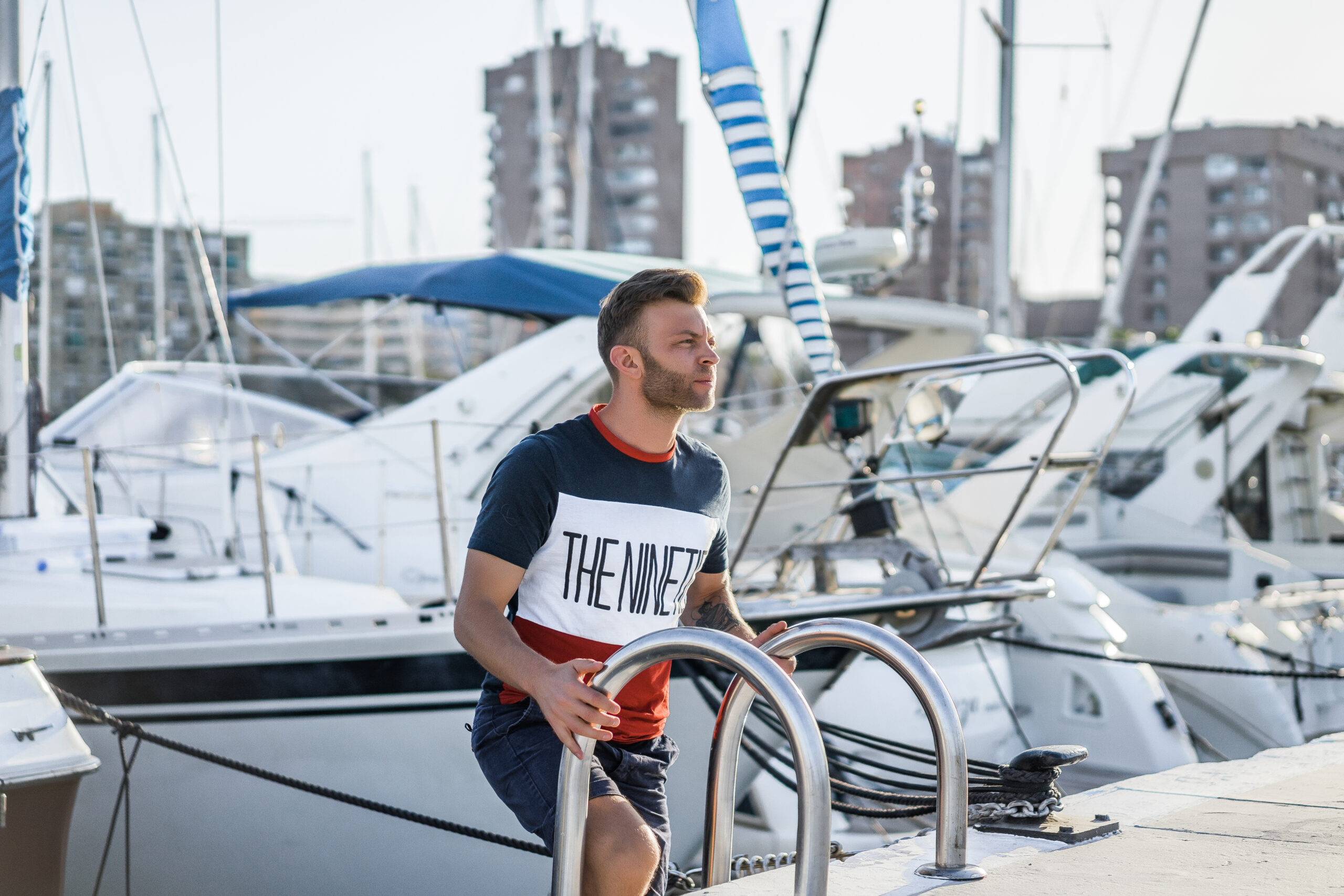
When you first enter the world of boating, the terms Mooring vs Docking can seem similar. Both deal with securing a vessel. Both aim to keep the boat steady. Yet they serve different roles, and each requires a different setup. Understanding these differences helps you protect your vessel, plan safer trips, and avoid costly damage.
What Is Mooring?
Mooring means securing a boat to a fixed anchor point. This point is usually away from the shoreline. It may be a buoy, an anchor on the seabed, or a permanent mooring system. A mooring keeps your boat in deeper water. It prevents the hull from touching structures or rough surfaces.
Moorings are common in busy harbors. They help reduce crowding around docks. They also protect vessels from scraping against hard edges.
When using a mooring, you rely on ropes, chains, and strong marine hardware. Good protection is important because a boat in open water faces wind, current, and waves.
What Is Docking?
Docking is different. It means guiding a vessel to a pier, jetty, wharf, or floating dock. You bring the boat alongside a solid structure. Then you secure it with lines on cleats or posts.
Docking makes it easy to load passengers, fuel, supplies, or equipment. It is also the most common method used in marinas. Because the boat is close to a fixed structure, impact protection is critical.
At docks, marine rubber fenders play a key role. These fenders soften the contact between the boat and the dock. Many ports buy them directly from a marine rubber fender manufacturer to ensure safety and durability. Without proper fenders, even light movement can damage the hull.
Mooring vs Docking: Main Differences
Here are the main points that separate Mooring vs Docking:
- Location
Mooring happens offshore. Docking happens at a structure onshore.
- Purpose
Mooring holds a vessel in place for long periods. Docking allows quick access for people and supplies.
- Movement
Mooring allows more natural movement with waves. Docking limits movement to prevent hitting structures.
- Equipment Needed
Mooring uses anchors, chains, and buoys. Docking uses ropes, cleats, and fenders.
Both methods depend on safety gear. Mooring protects your craft in deeper water. Docking needs strong bump protection to avoid damage.
Why These Differences Matter
If you choose the wrong method, you risk your boat. For example, docking in rough weather without fenders can lead to dents and cracked panels. Mooring without a strong anchor can put your vessel adrift. Learning the difference helps you select the right equipment and location.
It also helps you understand which parts to inspect regularly. Mooring lines wear down from constant tension. Docking fenders need to be checked for cracks or hardening.
Final Thoughts
The debate of Mooring vs Docking is simple once you know the basics. Mooring keeps your boat in safer open water. Docking gives you access to land. Both require attention, planning, and the right equipment.
For ports, marinas, and shipyards, choosing the right protection tools is vital. Many rely on a trusted marine rubber fender manufacturer to reduce impact and extend the life of their docks and vessels.
